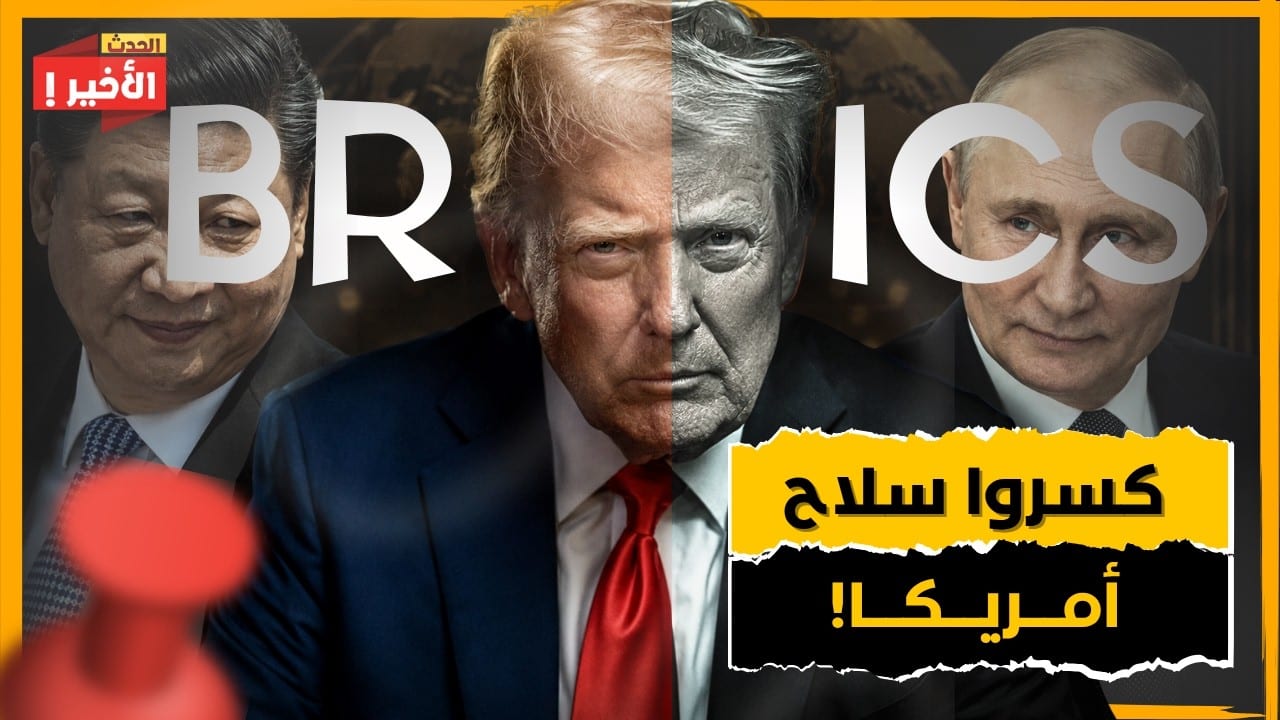
The global monetary structure is experiencing a fundamental realignment as the BRICS bloc pursues strategies to reshape international settlement systems. The transformation is less about creating a single alternative currency to the dollar than it represents a multifaceted strategy to reduce structural reliance on US currency in trade and financial relations among emerging and developing economies.
Operational mechanisms and projects under development
Observers have made careful distinctions between what has been operationalized and what remains under consideration. BRICS Pay, formally launched, functions as a multi-currency settlement platform enabling member states to conduct transactions in their local currencies rather than using the dollar as an intermediary. The Unit, proposed as an accounting unit backed by a basket of currencies and gold, remains under policy discussion among decision-makers and has not yet been implemented.
This distinction is essential for understanding the actual nature of the transformation. The operational focus centers on practical monetary pluralism that preserves each nation's sovereignty over its currency, rather than attempting to replace the dollar with a new unified currency—a scenario facing substantial technical and political obstacles.
Drivers of rebalancing: from economic interest to monetary stability
BRICS motivations extend beyond geopolitical considerations. Rigorous economic calculations underpin the initiatives, centered on intermediation costs and exposure to foreign exchange volatility. When developing economies trade with one another using the dollar, they incur foreign exchange costs and depend on adequate dollar reserves.
Data from the International Monetary Fund and the Bank for International Settlements reveal that the dollar's share of international financial transfers remained elevated at 58 percent in 2023, yet the rising trend of settlement in local currencies among emerging market economies signals a gradual structural shift.
| Indicator | Value/Share | Note |
|---|---|---|
| Dollar share of international transfers | 58% | 2023 (IMF) |
| Central bank gold purchases | Highest pace in years | Part of reserve diversification strategy |
| US federal debt | Exceeds 33 trillion dollars | Rising concern among bondholders |
| US debt-to-GDP ratio | 122% | Historical highs |
Declining demand for US Treasury securities and associated risks
The most visible tangible phenomenon is the retreat by foreign central banks from US Treasury bonds. China alone has reduced its holdings from a peak of 1.3 trillion dollars in 2013 to below 800 billion dollars in 2024. This withdrawal is not incidental but reflects an articulated policy to diversify foreign reserves and limit exposure to US political and financial risks.
This gradual retreat structurally elevates long-term US Treasury bond yields. When global demand for bonds declines, the US Treasury Department must raise yields to attract buyers. The Federal Reserve faces a resulting dilemma: whether to cut interest rates to support the economy or maintain higher rates to attract foreign capital.
The role of gold and alternative reserves
Central bank purchases of gold at their highest pace in decades are not coincidental. Gold represents a guaranteed reserve not subject to national monetary policies and independent of any nation's creditworthiness. The central banks of Russia, India, and China have systematically increased their gold reserves, reflecting a deliberate strategy to reduce reliance on dollar-denominated monetary assets.
The World Gold Council has documented that central bank demand for gold in the first half of 2024 was the highest on record, reflecting a methodical shift toward reserve diversification away from credit-based assets.
Implications for financial markets and global economy
Any retreat in global demand for US Treasury securities inevitably raises American borrowing costs. This manifests in:
- Higher interest rates on mortgages, consumer debt, and commercial loans
- Upward pressure on global inflation rates, as the US dollar is considered a safe haven during periods of stress
- Shifts in global capital allocation toward emerging market economies offering higher yields
- Risk of financing disruption for nations carrying elevated sovereign debt
Likely scenarios and future trajectories
Available evidence points toward a multipolar global monetary system in coming decades, not an imminent collapse of the dollar. The dollar will remain the primary reserve currency for decades ahead for structural reasons: the size of the US economy, the depth of American capital markets, and relative political stability.
However, a gradual shift toward genuine monetary pluralism is probable and has already begun. Nations such as India, Brazil, and China are promoting trade settlements in local currencies. The Eurasian Economic Union is developing targeted settlement mechanisms. The African Union is studying regional financing models.
This transformation carries both positive and negative implications: it may enhance emerging market stability by reducing dependence on US monetary policy, yet it could complicate global liquidity management and raise inter-operational transaction costs.
Outlook and broader context
The ongoing transformation reflects a rebalancing of global economic and political power. The rise of emerging economies, particularly China and India, necessitates reconsideration of the financial system architecture designed after World War II around singular American dominance. This need not signal an imminent global crisis but rather a gradual transition spanning years ahead.
The genuine risk lies in managing this transition. A sharp and sudden collapse in demand for US Treasury bonds could create acute market pressures. However, if the shift continues at a gradual and orderly pace, it may produce a more stable and equitable global monetary system across diverse economies.